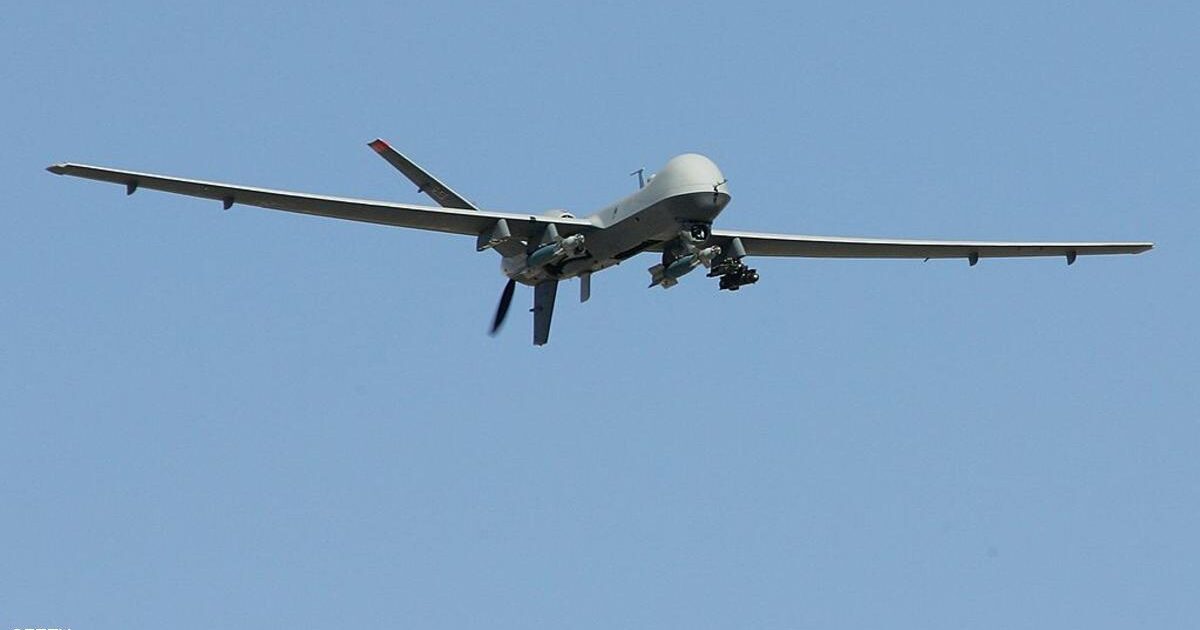
CREECH AIR FORCE BASE, NV - AUGUST 08: An MQ-9 Reaper flies by on a training mission August 8, 2007 at Creech Air Force Base in Indian Springs, Nevada. The Reaper is the Air Force's first "hunter-killer" unmanned aerial vehicle (UAV) and is designed to engage time-sensitive targets on the battlefield as well as provide intelligence and surveillance. The jet-fighter sized Reapers are 36 feet long with 66-foot wingspans and can fly for as long as 14 hours fully loaded with laser-guided bombs and air-to-ground missiles. They can fly twice as fast and high as the smaller MQ-1 Predators reaching speeds of 300 mph at an altitude of up to 50,000 feet. The aircraft are flown by a pilot and a sensor operator from ground control stations. The Reapers are expected to be used in combat operations by the United States military in Afghanistan and Iraq within the next year. (Photo by Ethan Miller/Getty Images)
من يسافر كثيراً بواسطة الطائرات، يسمع مرات عديدة أنه في حالة الطوارئ، تنزل أقنعة الأكسجين من موضعها أعلى الرأس، وحتى لو لم يتم نفخ كيس الهواء، يتدفق الأكسجين بمرونة، وعلى الجميع التأكد من عمل هذه الأقنعة بشكل جيد قبل مساعدة الآخرين.
ولكن لماذا تهبط أقنعة الأكسجين؟ لا بد أن يأمل المسافرون ألا يضطروا لاستخدام هذه الأقنعة حيث أنها تهبط عادة في أوقات الطوارئ.
وبحسب تقرير نشره موقع “إنسايدر”، فإن السبب الأكثر شيوعاً وراء نزول هذه الأقنعة يكمن في وجود انخفاض مفاجئ في ضغط الهواء، وبالتالي، تلزم الحاجة للمزيد من الأكسجين.
ويختلف سبب انخفاض ضغط الهواء داخل الطائرة، ولكن مع تحليقها في الجو على ارتفاعات كبيرة، يكون الهواء أقل كثافة، وهو ما يعني أكسجين أقل، ويحدث على أثر ذلك ضيق في التنفس واختناقات وتغير في لون الجلد، وبالتالي، هناك حاجة لنزول الأقنعة من السقف.
اخبار 24
فريق التحرير في شبكة سودافاكس الإخبارية، المنصة الإعلامية الرقمية السودانية المستقلة التي تأسست عام 2012.يضطلع فريق التحرير بمتابعة الأحداث الجارية وتوثيقها لحظةً بلحظة، ويشمل ذلك الأخبار العاجلة والتقارير الإخبارية والبيانات الرسمية والمستجدات الميدانية في السودان والمنطقة العربية.
يعمل الفريق وفق معايير الصحافة المهنية القائمة على الدقة في النقل والتحقق من المصادر، تحت إشراف رئيس التحرير حسن بشير.