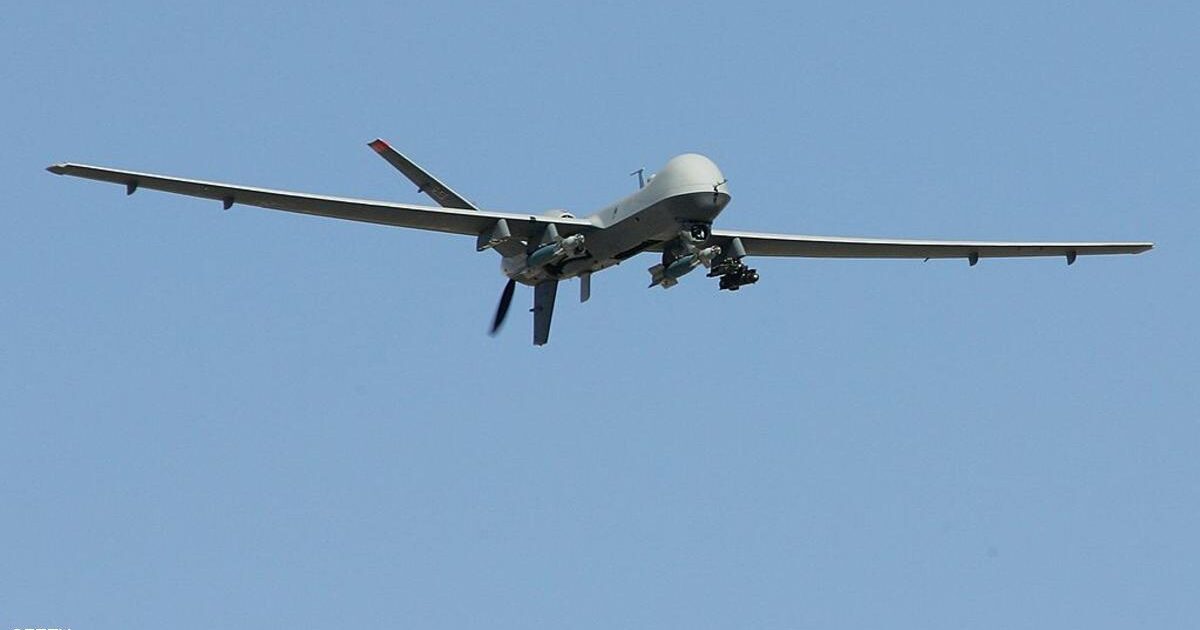
CREECH AIR FORCE BASE, NV - AUGUST 08: An MQ-9 Reaper flies by on a training mission August 8, 2007 at Creech Air Force Base in Indian Springs, Nevada. The Reaper is the Air Force's first "hunter-killer" unmanned aerial vehicle (UAV) and is designed to engage time-sensitive targets on the battlefield as well as provide intelligence and surveillance. The jet-fighter sized Reapers are 36 feet long with 66-foot wingspans and can fly for as long as 14 hours fully loaded with laser-guided bombs and air-to-ground missiles. They can fly twice as fast and high as the smaller MQ-1 Predators reaching speeds of 300 mph at an altitude of up to 50,000 feet. The aircraft are flown by a pilot and a sensor operator from ground control stations. The Reapers are expected to be used in combat operations by the United States military in Afghanistan and Iraq within the next year. (Photo by Ethan Miller/Getty Images)
يلاحظ أغلب المسافرين بالطائرات القيود الكثيرة والتعليمات التي تصدر عن أطقم الرحلات الجوية خاصة خلال عملية الإقلاع والهبوط.
ومن هذه التعليمات إرجاع المقاعد إلى وضعها ورفع أي شيء على أرضية الطائرة، وربط أحزمة الأمان، وكل هذه الأوامر تبدو مفهومة.
لكن الأمر الأهم والأغرب هو إصرار طاقم الطائرة على إبقاء النوافذ مفتوحة أثناء الإقلاع والهبوط ومنع إغلاقها. فما هو السبب؟
وعند طرح ذلك السؤال على مضيفة في إحدى شركات الطيران الإماراتية، الثلاثاء، أجابت، أن السبب هو وجوب مراقبة طاقم المضيفين للأجواء خارج الطائرة أثناء إقلاعها وهبوطها.
وأضافت أن بقاء النوافذ مفتوحة يتيح للطاقم مساعدة قادة الطائرة، في متابعة محركات الطائرة من الخارج وأي طارئ عند الإقلاع يستدعي تنبيه قمرة القيادة والتصرف على أساسه.
فريق التحرير في شبكة سودافاكس الإخبارية، المنصة الإعلامية الرقمية السودانية المستقلة التي تأسست عام 2012.يضطلع فريق التحرير بمتابعة الأحداث الجارية وتوثيقها لحظةً بلحظة، ويشمل ذلك الأخبار العاجلة والتقارير الإخبارية والبيانات الرسمية والمستجدات الميدانية في السودان والمنطقة العربية.
يعمل الفريق وفق معايير الصحافة المهنية القائمة على الدقة في النقل والتحقق من المصادر، تحت إشراف رئيس التحرير حسن بشير.