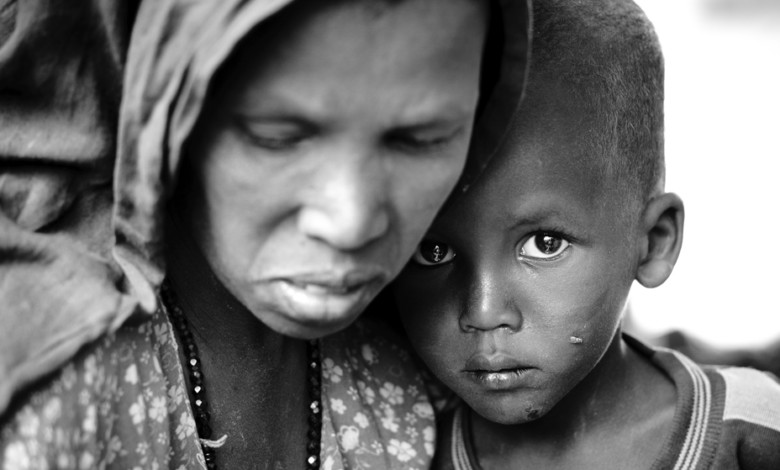
HORNOFAFRICADROUGHT Awiliya (wearing grey head scarf and red dress) and her family fled from the drought in Somalia and now waits to be registered at Dadaab Refugee Camp, Kenya. “The challenges we had was that bandits took everything we had,” says Awliya. She sits close to Mariam. The two women traveled from Baidhabo together. Like Mariam she has three sons.“The first day into the journey, bandits stopped our vehicles, robbed us, and beat the men,” she says. “They took our money.” Awliya’s journey to Kenya began the day her family ran out of food. “There was no food in sight,” she says. “The drought didn’t stop. We decided to leave.” They left the next day in a group, using a truck. “That day the bandits robbed us.” The truck broke down 10 kilometers from the Kenyan border. The group walked from there. Refer to Kari Costanza story: "A Day at Dabaab- 400,000 strong and growing- Four Refugee Stories." Awliya’s Story Summary: Dadaab, in northeastern Kenya, is considered the largest refugee camp in the world and it's growing. On August 5th, Dadaab registered its 400,000th refugee. Nine of ten come from Somalia--escaping decades of conflict and a drought that has taken their crops and their livestock. The rate of new arrivals into Dadaab is running between 1,200 and 1,500 people per day. There are no longer weekends at the registration center. Africa digital b&w
سودافاكس ـ كشف تقرير التصنيف المرحلي المتكامل للأمن الغذائي ـ مرصد عالمي لقياس أزمات الجوع مدعوم من الأمم المتحدة ـ عن تراجع خطر المجاعة في كادقلي عاصمة ولاية جنوب كردفان بعد أسابيع من إنهاء الجيش للحصار الذي كان مفروضاً على المدينة، مشيراً في الوقت ذاته إلى استمرار الجوع الشديد.
و أضاف أن تحليل الأمن الغذائي في السودان أوضح “أن الوضع في مدينتي كادقلي و الدلنج انتقل من تقييم مجاعة محتملة إلى حالة طوارئ غذائية مع وجود بعض الأسر في حالة كارثة غذائية”، وفقاً لموقع “سودان تربيون”.
فريق التحرير في شبكة سودافاكس الإخبارية، المنصة الإعلامية الرقمية السودانية المستقلة التي تأسست عام 2012.يضطلع فريق التحرير بمتابعة الأحداث الجارية وتوثيقها لحظةً بلحظة، ويشمل ذلك الأخبار العاجلة والتقارير الإخبارية والبيانات الرسمية والمستجدات الميدانية في السودان والمنطقة العربية.
يعمل الفريق وفق معايير الصحافة المهنية القائمة على الدقة في النقل والتحقق من المصادر، تحت إشراف رئيس التحرير حسن بشير.